Core Attributes
Developing better instinctive reactions to unknown situations
Developing better instinctive reactions to unknown situations
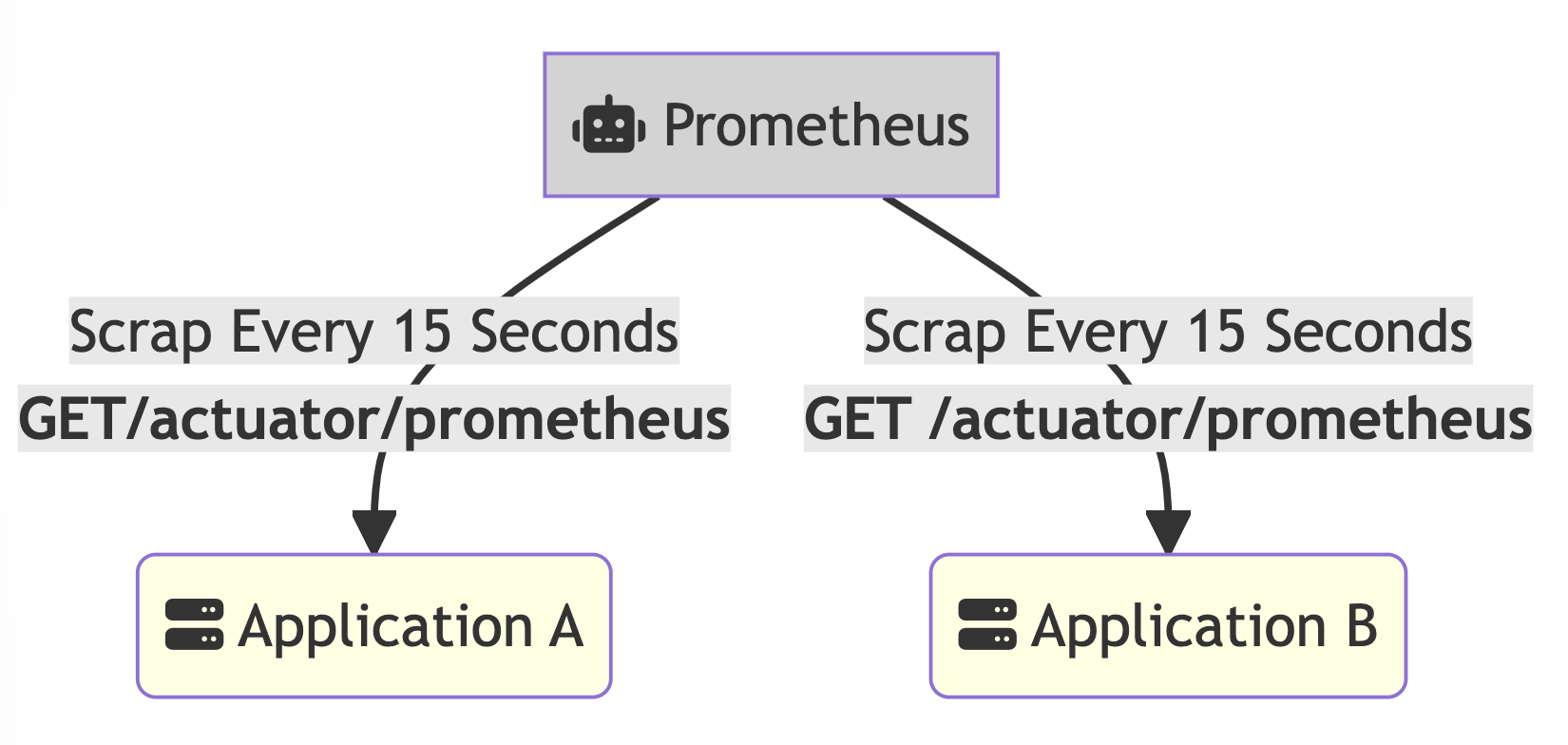
The monitoring and time series database
Details about breaking user story added
Placeholder
Swap left and right. Then repeat for those nodes.
Have a fast pointer and a slow pointer. fast increases by 2. slow increases by 1. if both become the same then the cycle exists. if fast one reaches end then no cycle exists.
go to each depth, incrementing a depth counter by 1. return max of it.
Iterate over both and store minimum one in current; Increment in the list from where minimum came. Once one of the lists is empty, empty the other one.
Check if the last bit is 1 by (n&1). Do the right unsigned shift (logical shift >>>). Loop.
Get the last bit of value from the original. append to the reverse one. shift reverse one to the left. instead of adding, you can do `or` because after the shift last value will be 0. Imp - iterate 32 times only.
Similar to swapping two numbers. Start with prev as null and current and keep swapping next. Return prev because that's the last value.
Placeholder
Check if root is same as subtree or root.left is same or root.right is same;
Make sure the left pointer is always the lowest yet. Keep checking the difference between left and right. And return max.

Placeholder
God-level solution - iterate.<br>If an opening bracket is found, put the closing bracket in a stack.<br>If the closing bracket is found, pop and check for equality.
Have 2 pointers. One at the start other at the end. Skip if `!Character.isLetterOrDigit` and compare with `Character.toLowerCase`

Placeholder

Loop twice.<br>first right to left while multiplying.<br>Then second left to right while multiplying.<br>This can be done in a single array and one extra product variable